









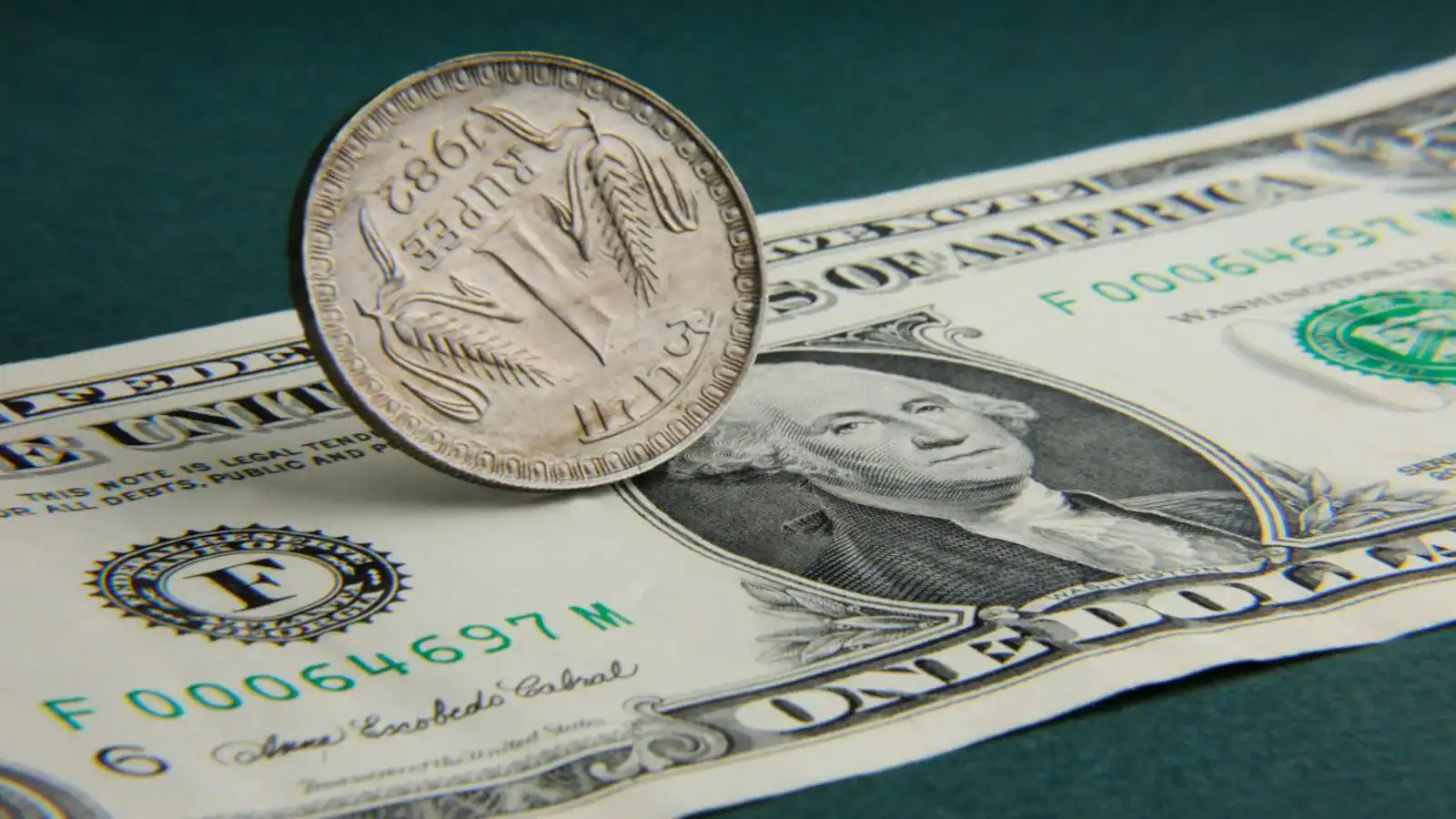
The Indian rupee, once considered one of the stronger emerging-market currencies, is currently under significant pressure as its value against the US dollar continues to decline. Recent market updates indicate that the rupee has touched a historic low, raising fresh concerns about the broader economic outlook.
For the first time, the rupee has slipped below the ₹96 mark, with the dollar now valued at approximately ₹96.14. This marks the weakest level ever recorded for the Indian currency, sparking widespread concern among economists and market watchers, with fears that it may soon approach the ₹100 milestone if the trend continues.
Several global factors are believed to be contributing to this downward pressure. Ongoing geopolitical tensions, including developments involving Iran and the United States, along with volatility in global crude oil prices, are impacting currency stability. Rising import costs and external economic uncertainties are further adding to the strain on the rupee.
Meanwhile, reports suggest that Indian authorities have issued caution regarding increased gold imports and have implemented higher import duties to manage trade balance pressures. At the same time, fluctuations in fuel supply and rising petrol and diesel prices are adding to domestic economic concerns.
Global policy shifts and changing trade dynamics are also influencing market sentiment, with reduced foreign inflows and increased economic uncertainty affecting currency performance. Overall, the current situation highlights a challenging phase for the Indian economy as it navigates global instability and domestic pressures simultaneously.
Recent Random Post: