









A high-level regional security conference led by the US Central Command (CENTCOM) in Bahrain has sparked a sharp response from Iran, highlighting growing tensions over the future of security cooperation in West Asia.
The summit, hosted by the Bahrain Defence Force, brought together senior military officials from 12 countries, including Bahrain, Saudi Arabia, the United Arab Emirates, Qatar, Egypt, Jordan, Kuwait, Oman, Yemen, Lebanon, Syria, and others. The meeting focused on strengthening regional defence cooperation, enhancing integrated air defence, and ensuring the uninterrupted flow of commercial shipping through the strategically important Strait of Hormuz.
One of the notable aspects of the conference was the participation of military representatives from Syria and Lebanon, marking a rare regional engagement under a US-led security initiative.
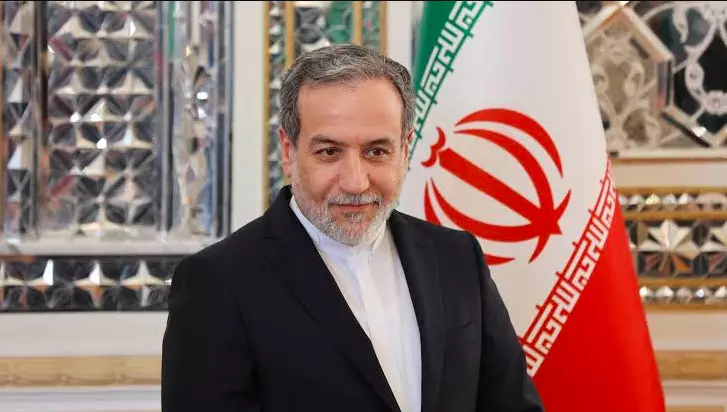
Reacting strongly to the summit, Iranian Foreign Minister Seyed Abbas Araghchi criticised the role of the United States in the region, arguing that lasting peace cannot be achieved through foreign military intervention.
In a statement posted on X, Araghchi questioned whether CENTCOM had brought security or instability to West Asia, asserting that regional peace should be maintained by countries within the region rather than external powers.
He also claimed that Iran’s armed forces have demonstrated that foreign militaries cannot guarantee stability, stressing that sustainable peace requires regional cooperation without outside interference.
Echoing the government’s position, Iran’s Deputy Foreign Minister for Legal and International Affairs, Kazem Gharibabadi, rejected the legitimacy of the US-led security framework. He argued that the strategic Strait of Hormuz should not be governed under CENTCOM’s influence and maintained that regional security cannot be established through foreign military alliances.
According to Gharibabadi, long-term stability in the Persian Gulf depends on respect for national sovereignty, an end to external intervention, and cooperation among regional countries rather than reliance on the American military presence.
Meanwhile, CENTCOM said the conference was aimed at strengthening defence coordination among partner nations and reinforcing their collective commitment to protecting maritime trade through the Strait of Hormuz—one of the world’s busiest and most strategically significant shipping routes.
The summit underscores the widening geopolitical divide between the United States and Iran over the security architecture of the Middle East, with both sides continuing to promote competing visions for maintaining stability in the region.
Recent Random Post: