







The Trinamool Congress (TMC) is facing one of the most challenging phases in its political history following its defeat in the recent Assembly elections. The setback has triggered unrest within the party, with reports of significant dissent emerging among both its legislative and parliamentary wings.
According to political circles, more than 58 of the party’s 80 MLAs have reportedly expressed dissatisfaction with the current leadership structure and have backed expelled leader Ritabrata Banerjee as the Leader of Opposition in the State Assembly. The development has raised concerns about a possible split within the party.
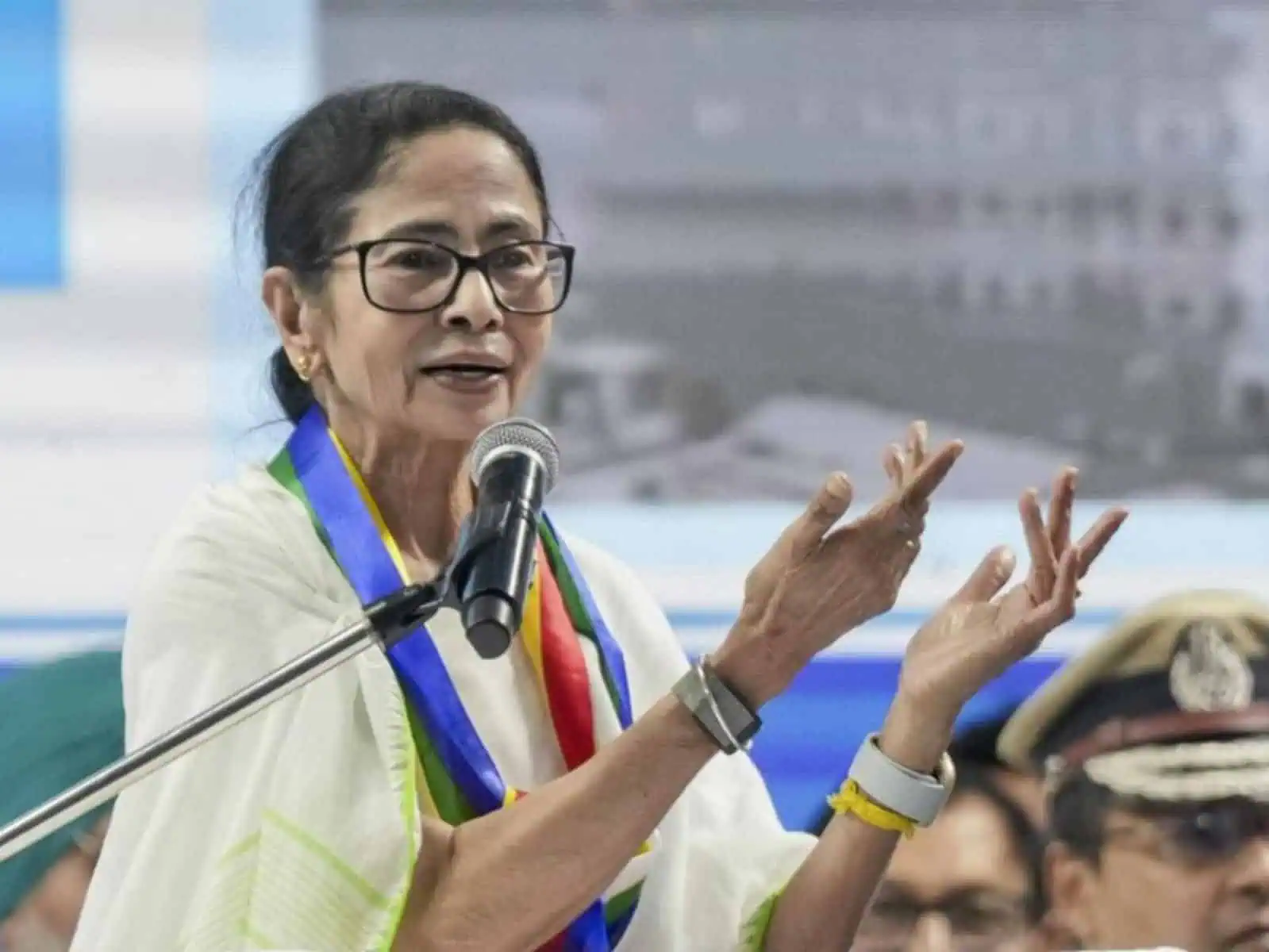
The crisis soon appeared to extend beyond the state unit. Reports suggest that nearly 20 TMC Lok Sabha MPs travelled to New Delhi amid speculation that they were exploring the possibility of aligning with the BJP-led NDA. The developments coincided with TMC chief Mamata Banerjee’s visit to the national capital to participate in an INDIA bloc meeting aimed at formulating a strategy against the BJP.
Adding to the turmoil, senior TMC leader and Rajya Sabha MP Sukhendu Sekhar Roy resigned from the party. Roy, who had served as the party’s chief whip in the Rajya Sabha for over a decade, was later seen meeting several TMC Lok Sabha MPs, fueling speculation about further discontent within the parliamentary wing.
Subsequently, reports indicated that nearly 20 TMC MPs met Union Minister Bhupender Yadav in New Delhi. The MPs are said to be led by veteran parliamentarian Kakoli Ghosh Dastidar, who had resigned from party positions earlier after being replaced as the party’s chief whip in the Lok Sabha. Political observers view these developments as signs of growing internal unrest.
At the grassroots level, several local leaders have reportedly faced public anger over allegations of corruption and governance failures. Incidents involving protests against local representatives have further highlighted the party’s challenges in reconnecting with voters following the electoral setback.
Meanwhile, internal power dynamics within the party have also come under scrutiny. Reports suggest that before leaving for Delhi, Mamata Banerjee rejected a proposal from first-time MLA Ritabrata Banerjee regarding organizational restructuring. While she did not sideline her nephew and senior party leader Abhishek Banerjee, recent organizational changes appear to have reduced his exclusive influence within the party. The appointment of additional national general secretaries has been interpreted by some observers as part of a broader restructuring effort.
Abhishek Banerjee has also faced increasing political pressure in recent weeks. During a visit to Sonarpur, he encountered protests from demonstrators, while other senior party leaders have similarly faced public criticism. In addition, reports indicate that he has been summoned by investigative authorities in connection with a controversy involving nomination documents.
With mounting internal dissent, organizational restructuring, and growing public dissatisfaction, the TMC appears to be navigating one of the most turbulent periods since coming to power in West Bengal. After more than a decade and a half of political dominance in the state, the party now faces the difficult task of restoring unity within its ranks and rebuilding public confidence in the aftermath of its electoral defeat.
However, many of the reported developments remain politically sensitive and continue to evolve. The coming days are expected to be crucial in determining whether the party can contain the unrest or faces a deeper organizational crisis.
Recent Random Post: