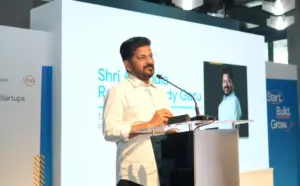
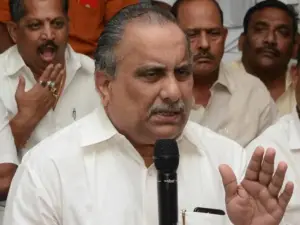
Mohammad Azharuddin To Take As Oath As Telangana Minister | Congress
Recent Random Post:

Kollywood Faces Star Power Crisis After Vijay’s Exit

With Vijay stepping away from films after entering politics and taking charge as the Chief Minister of Tamil Nadu, and with Rajinikanth in the final phase of his illustrious career, the Tamil film industry is increasingly facing questions about its next generation of crowd-pulling superstars.
Apart from Rajinikanth and Suriya, there are very few actors today who can consistently guarantee massive openings. Ajith Kumar, according to industry circles, is yet to commit to a new project. Reports suggest that after receiving around Rs 170 crore for his previous film, he expects a similar remuneration, something many producers are currently unwilling to match. As a result, his future projects remain uncertain.
In such a scenario, drawing audiences to theatres has become more challenging. Suriya’s “Karuppu,” despite receiving criticism for its routine and outdated storytelling, managed to post impressive box-office numbers largely due to his star power, underlining the shortage of bankable stars in Kollywood.
At the same time, several Tamil actors, character artists, technicians, music directors and even writers are increasingly looking towards Hyderabad for opportunities. Industry observers note that many of them receive significantly higher remuneration in the Telugu film industry, sometimes earning multiple times what they would get in Tamil cinema.
Tamil filmmakers are often surprised by the huge budgets and paychecks prevalent in Telugu cinema. Telugu producers currently have a wide range of stars — Chiranjeevi, Prabhas, Allu Arjun, Ram Charan, Jr NTR, Mahesh Babu, along with younger crowd-pullers like Nani and Vijay Deverakonda — who are capable of generating strong theatrical business.
One of the key reasons behind this ecosystem is the support extended by the governments of Andhra Pradesh and Telangana through special ticket-price permissions for major releases. Premium premieres can sometimes touch Rs 1,000, while first-week ticket prices often range between Rs 500 and Rs 600. Much of the theatrical revenue is driven by fans during this initial period, enabling producers to recover substantial portions of their investments.
Tamil Nadu, on the other hand, has some of the lowest ticket prices among major film markets in India, limiting revenue potential. Industry insiders also point out that Telugu producers have traditionally maintained stronger relationships with OTT platforms, helping them secure lucrative digital deals and maximize non-theatrical revenues.
Despite higher ticket prices, not every Telugu film becomes hugely profitable. Many average films struggle to recover costs, and even several blockbusters merely manage to reach the breakeven mark. Nevertheless, the combination of strong star power, premium pricing and robust OTT partnerships has helped Tollywood maintain its growth trajectory.
Whether the Tamil film industry can overcome these challenges and create a new generation of superstars remains to be seen. It will also be interesting to observe whether Chief Minister Vijay, who himself rose to superstardom through cinema, takes any measures to address the concerns being voiced by stakeholders in Kollywood.