








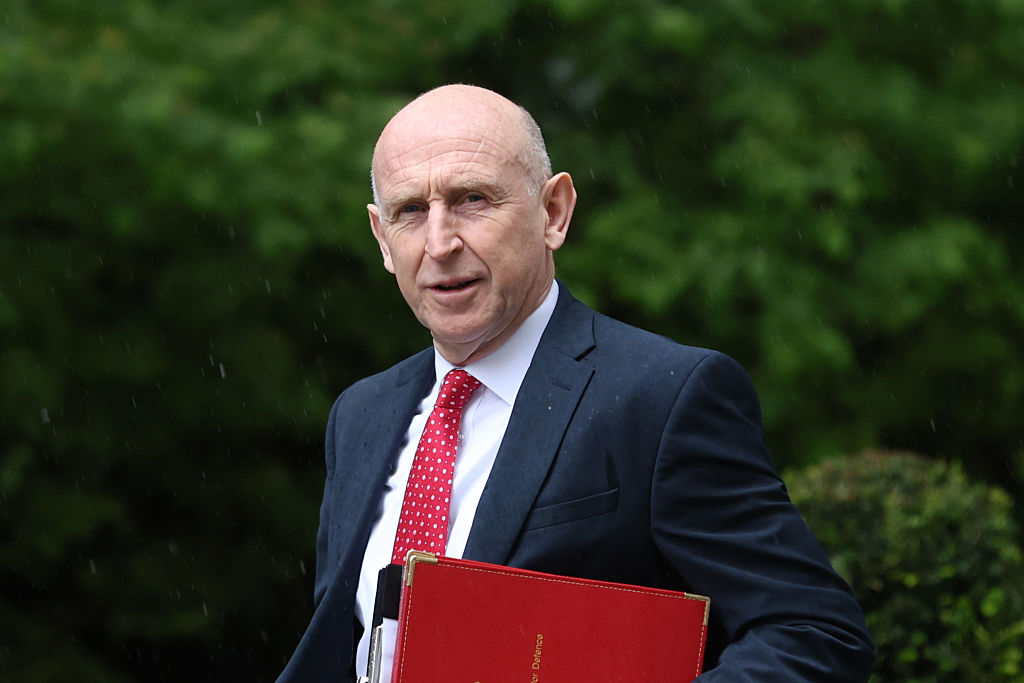
UK politics has been thrown into fresh turmoil after Defence Secretary John Healey resigned, sharply criticising Prime Minister Keir Starmer and the Treasury over what he described as insufficient funding for national defence. His departure comes at a sensitive time for the Labour government, just a week ahead of a crucial by-election that could intensify leadership pressure on Starmer.
In his resignation letter posted on X, Healey accused the Treasury of failing to commit adequate resources, warning that the government’s long-awaited Defence Investment Plan (DIP) could leave Britain “less safe.” He said he could not accept a funding settlement that did not provide the armed forces with what they need, adding that he had no option but to step down.
Healey’s resignation has weakened Starmer’s position, with concerns growing over internal divisions within the government. Shortly after, Starmer defended his approach, insisting that the proposed spending plans would modernise the armed forces and reaffirming his commitment to national security.
The political fallout continued as armed forces minister Al Carns and aide Pamela Nash also resigned, while Dan Jarvis was appointed as Healey’s replacement, moving from his junior role at the Home Office.
The Defence Investment Plan, already delayed multiple times, is expected to be published before the NATO summit in Turkey on July 7. The Labour government has pledged to raise defence spending to 2.5% of GDP from next year, with further increases planned in the coming years, but internal disagreements have emerged over the pace and scale of funding commitments.
Reports suggest the proposed plan would raise defence spending only to around 2.68% of GDP by 2030, falling short of expectations set by senior defence figures. Critics argue the delay and reduced ambition risk undermining Britain’s security posture at a time of rising global tensions, particularly with Russia.
Political analysts say the resignation marks a significant challenge for Starmer, who is already facing pressure following mixed election results and internal party tensions. With speculation over potential leadership contenders growing, Healey’s exit adds further uncertainty to an already fragile political landscape.
Recent Random Post: