







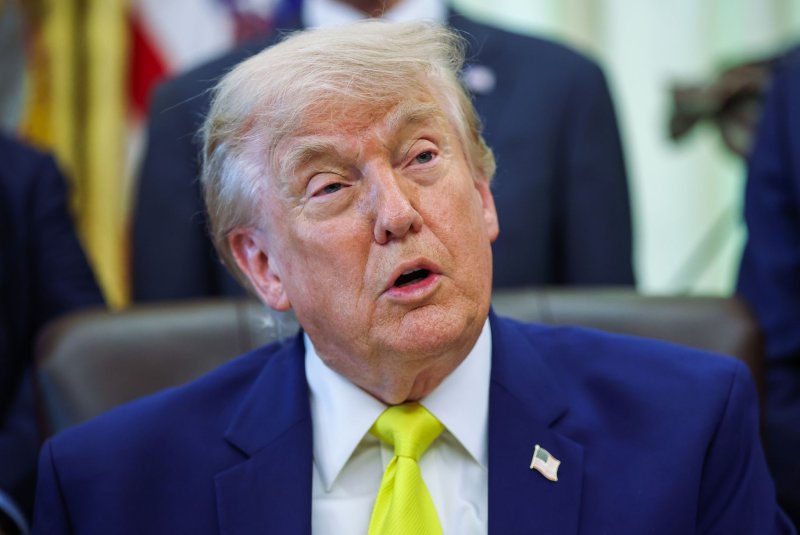
A US federal judge has struck down President Donald Trump’s proposed $100,000 fee on new H-1B visas, marking a major setback for one of the administration’s most aggressive efforts to restrict skilled immigration. US District Judge Leo Sorokin ruled that the President did not have the authority to impose such a fee without approval from Congress, declaring the measure unlawful and ordering it to be invalidated.
The decision comes as significant relief for businesses, universities, and hundreds of thousands of skilled foreign workers—particularly Indians, who form the largest group of H-1B visa holders. The controversial fee had already begun affecting hiring decisions since its introduction.
Trump had announced the $100,000 fee in September as part of a broader immigration crackdown. The administration argued that the move was intended to reduce dependency on foreign skilled workers and encourage companies to hire more American professionals. Before this proposal, employers typically paid between $2,000 and $5,000 in H-1B-related fees.
Judge Sorokin sided with California and 19 other Democratic-led states that challenged the policy, agreeing that the President lacked the legal authority to introduce such a fee unilaterally. The ruling adds to multiple legal challenges already facing the policy, including cases filed by the US Chamber of Commerce and several business groups that rely heavily on skilled foreign talent. The Trump administration is expected to appeal the decision.
The H-1B visa programme is one of the most important pathways for Indian professionals seeking employment in the United States, especially in sectors like technology, engineering, healthcare, and finance. Indians account for the majority of H-1B visa recipients each year, making any policy change in this area highly significant.
The programme currently issues 65,000 visas annually, with an additional 20,000 reserved for applicants holding advanced degrees from US universities. According to immigration group FWD.us, around 730,000 H-1B visa holders are currently living in the US, along with approximately 550,000 dependents.
For now, Monday’s ruling maintains the programme’s existing structure, though the policy may continue to face legal uncertainty as appeals proceed.
Recent Random Post: