









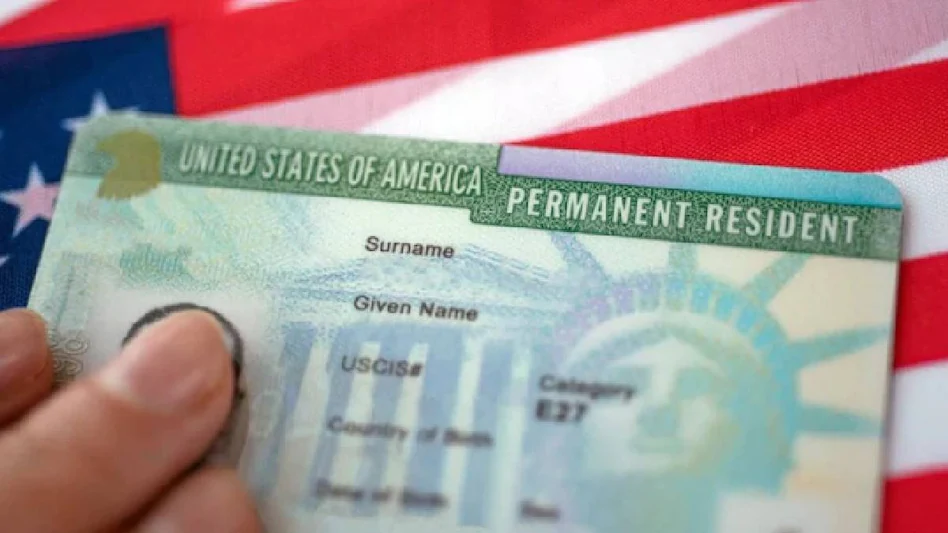
A new USCIS policy memorandum issued on May 21, 2026, has significantly reshaped the process for thousands of immigrants applying for green cards from within the United States. However, the impact is not uniform, with different visa categories now facing varying levels of scrutiny.
Holders of B-1 and B-2 visitor visas are expected to face the strictest review under the updated guidelines. These visas are strictly intended for temporary visits, and officers will now more closely examine whether applicants had any hidden intent to settle permanently at the time of entry.
Greater attention is likely to be placed on early post-arrival activities such as marriage, job acceptance, or immediate immigration filings, which may indicate pre-planned immigrant intent. Green card applications filed soon after entering on a visitor visa are expected to undergo intensified scrutiny.
H-1B and L-1 visa holders remain in a comparatively secure position due to the legal principle of “dual intent,” which allows them to work temporarily in the U.S. while also pursuing permanent residency. Since this protection is embedded in immigration law, it cannot be overridden by administrative policy changes.
Applicants under employment-based categories continue to benefit from a relatively stable framework, especially those already in dual-intent statuses. However, experts anticipate increased discretionary scrutiny during case evaluations, potentially making approvals more detailed and document-heavy.
EB-5 visa holders retain strong legal safeguards under the EB-5 Reform and Integrity Act of 2022, which allows concurrent filing of key forms. Since these rights are law-based, they cannot be altered by policy memorandums. Eligible applicants can continue filing Adjustment of Status from within the U.S.
F-1 student visa holders are expected to face greater challenges under the new framework. Since student visas are strictly non-immigrant in nature, officers may more carefully assess whether a later shift toward permanent residency aligns with the original purpose of entry. As a result, student-led green card applications may now face heightened skepticism unless strongly justified.
Spouses and children included as derivative beneficiaries may also face individual scrutiny. Immigration officers are now expected to review each dependent’s visa history and compliance record separately, rather than relying solely on the principal applicant’s profile.
Recent Random Post: