









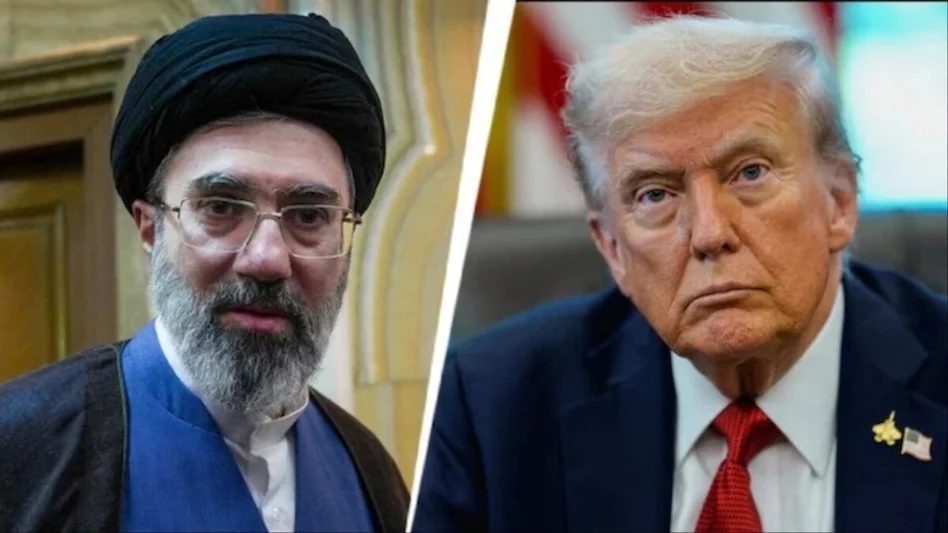
Fresh uncertainty surrounds diplomatic efforts between the United States and Iran after both countries issued conflicting statements over the possibility of talks in Doha this week. The confusion comes amid renewed regional tensions despite an interim ceasefire intended to end months of hostilities.
While Washington and Tehran both confirmed that delegations were being sent to Qatar, the two sides sharply disagreed on whether direct negotiations would actually take place. US President Donald Trump said Iran had requested a meeting and announced that talks were scheduled for Tuesday in Doha. He added that his son-in-law Jared Kushner and special envoy Steve Witkoff would represent the United States.
Trump described the proposed meeting as significant, reiterating that the US remains committed to preventing Iran from developing a nuclear weapon. He also claimed the United States was in a strong military position as diplomatic efforts continued.
However, Iran dismissed reports of any planned bilateral meeting. Foreign Ministry spokesperson Esmaeil Baghaei stated that although an Iranian technical delegation would visit Doha, the trip was unrelated to the American delegation and no direct negotiations with the US were scheduled in the coming days.
According to Iran, the delegation’s visit is aimed at reviewing the implementation of the June 17 memorandum of understanding, particularly provisions related to the existing ceasefire and confidence-building measures. Tehran maintained that formal negotiations on a broader agreement, including its nuclear programme, could begin only after key conditions outlined in the understanding had been fulfilled.
Iran’s Deputy Foreign Minister Kazem Gharibabadi echoed the same position, saying the next round of negotiations would only be finalized after both sides agreed on the timing, venue, and preconditions.
Meanwhile, reports from Iranian officials suggested that discussions in Doha could instead focus on reducing tensions around the strategically important Strait of Hormuz. Separate technical engagements involving US and Iranian teams, along with Qatari and Pakistani mediators, are also expected later this week.
The mixed messaging highlights the fragile state of the June 17 understanding, which established a 60-day framework to implement a 14-point memorandum covering the ceasefire, Iran’s nuclear programme, and steps toward a permanent peace agreement. With both sides continuing to accuse each other of violating the deal, the path toward meaningful negotiations remains uncertain.
Recent Random Post: