








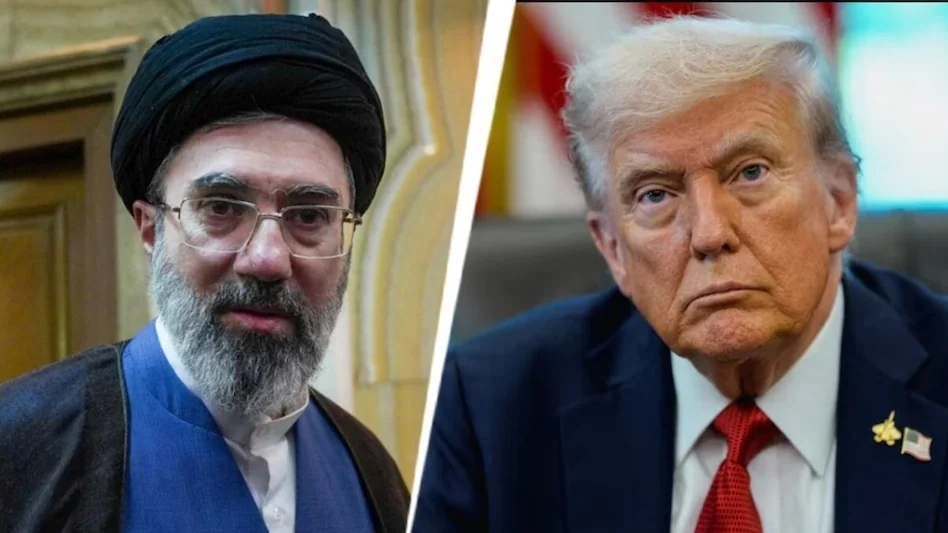
U.S. forces have conducted new defensive operations against Iran, even as President Donald Trump said Tehran is “negotiating on fumes” and insisted that upcoming U.S. midterm elections will not influence his strategy to end the nearly three-month-long conflict.
According to U.S. officials speaking on condition of anonymity, American Central Command forces intercepted four Iranian one-way attack drones near the Strait of Hormuz that were considered an immediate threat. In a separate action, U.S. forces also struck an Iranian ground control station in Bandar Abbas that was reportedly preparing to launch a fifth drone.
The developments came shortly after Trump expressed confidence during a Cabinet meeting that progress was being made toward ending the war, although negotiations remain uncertain and fluid.
The administration is reportedly pushing for a settlement that would reopen the Strait of Hormuz and significantly limit Iran’s nuclear capabilities, allowing Washington to claim a strategic victory while winding down a conflict that has drawn political criticism domestically. However, officials acknowledge that the emerging framework could leave several key issues unresolved, raising concerns that Iran may retain leverage in the long term.
Trump dismissed suggestions that domestic politics, including the upcoming midterms, are influencing his approach. “I don’t care about the midterms,” he said, adding that Iran had expected to outlast his administration politically.
At the same time, divisions persist over the terms of a possible agreement. Some Republican lawmakers have reportedly expressed concern that the emerging deal could resemble elements of the Obama-era Iran nuclear agreement, which Trump previously withdrew from.
Under discussions, Iran would reportedly agree to reduce or transfer its stockpile of highly enriched uranium in exchange for sanctions relief. However, details on implementation, including how and where the material would be transferred, remain under negotiation.
Tensions also continue over broader regional issues, including Israel’s operations against Hezbollah in Lebanon and whether any ceasefire framework would extend to Iranian-backed proxy groups. Israel is expected to retain the right to respond to imminent threats, even under a potential agreement framework.
Meanwhile, Trump has also urged additional Middle Eastern countries to join expanded normalization efforts with Israel under the Abraham Accords, although regional responses remain mixed.
As military operations and diplomatic talks continue in parallel, uncertainty remains over whether a final agreement can be reached or whether the conflict will escalate further.
Recent Random Post: