








As Washington and Tehran move forward with a memorandum of understanding (MOU) aimed at de-escalating their conflict, questions are emerging over Israel’s potential impact on the fragile peace process.
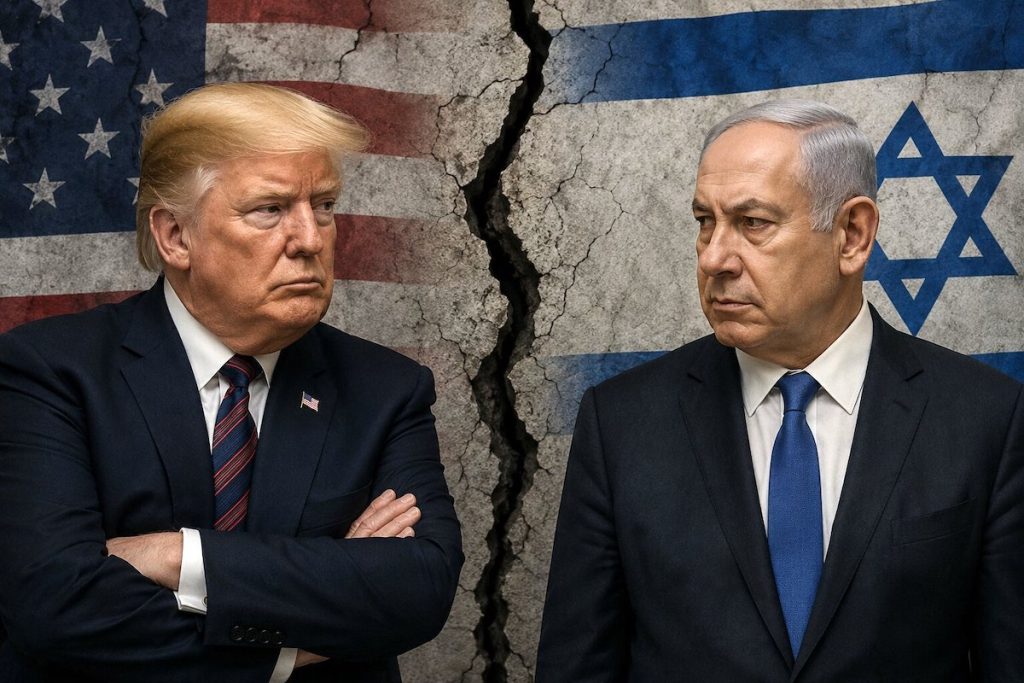
The key concern is whether Israel could complicate or even derail the US–Iran agreement. Israeli Prime Minister Benjamin Netanyahu, who has previously pushed for a hardline stance on Iran, has made it clear that Israel does not consider itself bound by any US–Iran deal, particularly when it comes to confronting Iran-backed Hezbollah in Lebanon.
Although hostilities in Lebanon have reportedly eased following recent remarks by US President Donald Trump, any renewed escalation in the region could put the emerging agreement at risk. Iran, meanwhile, has insisted that the deal must also include a ceasefire in Lebanon.
Israel has long viewed Iran’s nuclear programme as a major security threat and has repeatedly opposed any agreement that allows Tehran to retain significant nuclear capabilities or benefit from sanctions relief.
Reports have also suggested that Israel was not fully consulted during the negotiations, leading to speculation about growing friction between Washington and its closest Middle East ally. However, President Trump dismissed such claims, stating that the US had shared the agreement with Israel and maintained close communication throughout the process.
Speaking at the G7 summit in France, Trump acknowledged differences with Netanyahu over Lebanon, urging a more restrained approach to military action while still describing him as a strong ally and an “amazing prime minister.” Despite these differences, Trump emphasized that the US–Israel relationship remains solid, though he noted the imbalance in size and influence between the two partners.
The current tensions come at a time when Trump has been seeking to wind down conflicts in both Iran and Lebanon, even as Israel continues to pursue its broader security objectives in the region. This divergence has raised questions about Netanyahu’s long-term strategy, especially given his past assertions that Israel is reshaping the Middle East through military and political action.
Netanyahu’s hardline stance, particularly his opposition to a Palestinian state, has long defined his political identity. However, critics argue that recent conflicts have delivered mixed outcomes, with significant destruction in Gaza and Lebanon but no decisive long-term resolution.
The situation is further complicated by rising international criticism of Israel’s military operations, including allegations of excessive force and ongoing legal challenges at the International Criminal Court—claims Israel strongly denies.
As the US–Iran agreement moves forward, the evolving dynamics between Washington, Tehran, and Jerusalem will play a crucial role in determining whether the fragile peace process holds or unravels.
Recent Random Post: