







The YSR Congress Party, which enjoyed absolute power in Andhra Pradesh between 2019 and 2024, is now battling an existential crisis after being reduced to just 11 Assembly seats in the 2024 elections. Despite the crushing defeat, party chief Y.S. Jagan Mohan Reddy still appears unwilling to acknowledge what many believe was the biggest shortcoming of his government.
Jagan’s administration was heavily centered on welfare schemes and Direct Benefit Transfer (DBT) programs, which undoubtedly benefited millions. However, governance, infrastructure development, employment generation, and administrative efficiency were widely perceived to have taken a backseat. Roads, public infrastructure, industrial growth, and civic administration became major points of criticism, ultimately influencing the public mandate in 2024.
Even after the electoral setback, Jagan continues to maintain that his welfare model deserved a stronger endorsement from the people. The YSRCP leadership still argues that welfare alone should have been enough to secure another term, seemingly overlooking the electorate’s demand for balanced governance that combines social welfare with visible development.
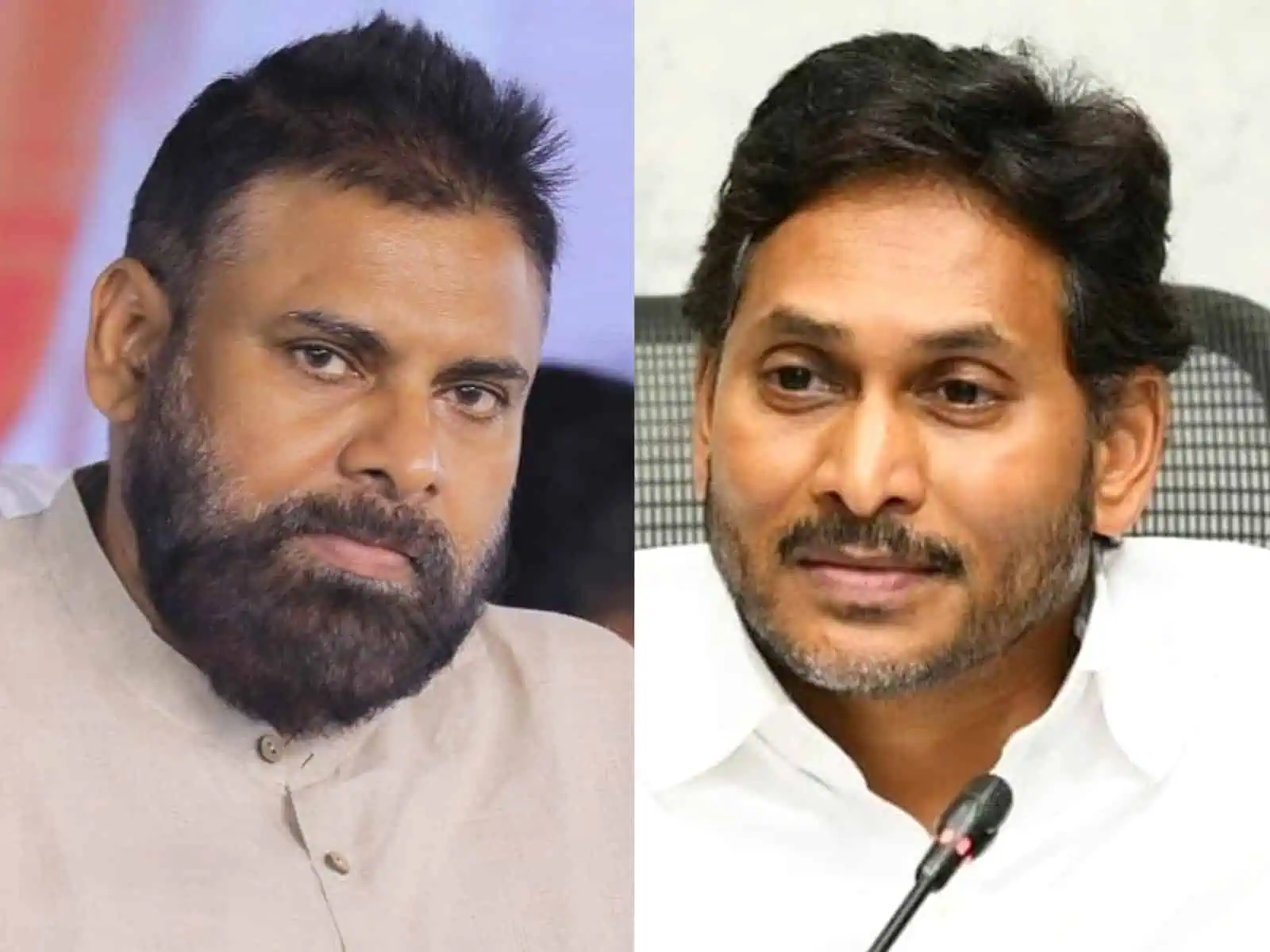
Interestingly, Andhra Pradesh Deputy Chief Minister and Janasena president Pawan Kalyan recently highlighted this very issue while addressing party workers. He observed that the previous YSRCP government serves as a textbook example of why a welfare-centric model cannot succeed in the long run if governance and development are neglected.
According to Pawan Kalyan, a government must strike a balance between welfare, infrastructure, economic growth, and efficient administration. He argued that focusing exclusively on welfare while ignoring development inevitably leads to public dissatisfaction, pointing to the YSRCP’s 2024 defeat as evidence.
What makes the contrast noteworthy is that while Jagan has yet to publicly concede this as a strategic mistake, Pawan Kalyan has offered a clear political assessment of what went wrong. The differing perspectives underline the contrasting approaches of the two leaders toward governance and electoral accountability.
Recent Random Post: