









Out of the world’s 195 sovereign nations, most countries can usually be visited with the proper visa and travel documents. However, a few destinations still remain especially difficult to enter because of strict immigration systems, security concerns, political restrictions, or highly regulated tourism policies. For many travellers, visiting these countries can involve lengthy paperwork, sponsorship requirements, or severe travel limitations.
Saudi Arabia has become more accessible in recent years after introducing tourist eVisas for several nationalities. Even so, travel regulations remain strict in certain situations, and some regions continue to be restricted or closely monitored. Entry rules can also differ depending on nationality and the purpose of the visit.
Iran is another country where obtaining a visa can be a complex process. Many travellers are required to secure a visa authorisation code before even applying for entry permission. In several cases, this approval must be arranged through an authorised Iranian travel agency or sponsor. Although eVisa systems and visa-on-arrival facilities have made things slightly easier for some visitors, restrictions still remain significant for citizens of certain countries.
Russia is also known for its paperwork-heavy visa system. Applicants are often asked to provide detailed travel plans, invitation letters, accommodation information, and other supporting documents. Even when everything is submitted correctly, the approval process can still take considerable time.
Cuba continues to have specific travel regulations, especially for U.S. citizens, who are generally required to travel under authorised categories instead of standard tourism. While the process is simpler for many other nationalities, visitors still need to follow the country’s documentation and entry rules carefully.
Turkmenistan remains one of the most restrictive countries for tourism. Most travellers need a visa sponsored by a local host or organisation, and independent travel opportunities are very limited. Securing official approval is often considered difficult compared to many other nations.
Chad is another destination where travellers may face a challenging entry process. Many visitors must arrange visas in advance, sometimes along with sponsorship documents or invitation letters. Limited embassy access in certain parts of the world can make the process even more complicated.
Somalia is widely viewed as a high-risk destination because of ongoing security concerns and instability. Many governments strongly advise against travel there, and even though visas may sometimes be available, the practical difficulties and safety risks make tourism extremely uncommon.
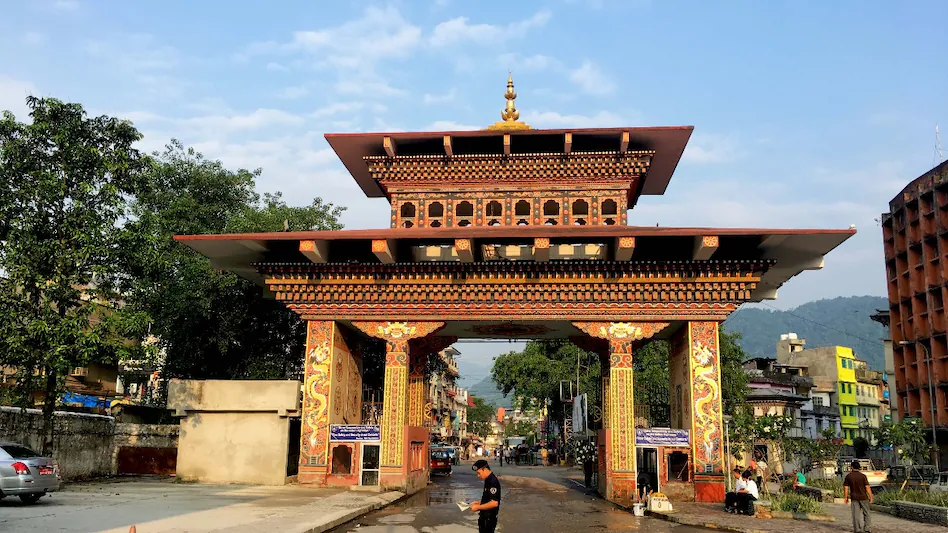
Bhutan follows a tightly controlled tourism model designed to protect its culture and environment. Most visitors are required to book their trips through approved tour operators, and independent tourism is generally not allowed. The country also charges a sustainability fee as part of its regulated travel policy.
Afghanistan remains one of the most difficult places to visit because of continuing conflict and instability. Although visas may still be issued in some circumstances, strong international travel warnings and safety concerns make travel there highly risky.
North Korea continues to be one of the world’s most tightly controlled tourist destinations. Most trips must be organised through state-approved agencies, and visitors are usually not permitted to travel independently. Tourists remain under close supervision throughout their stay, making it one of the hardest countries to visit freely.
Recent Random Post: