









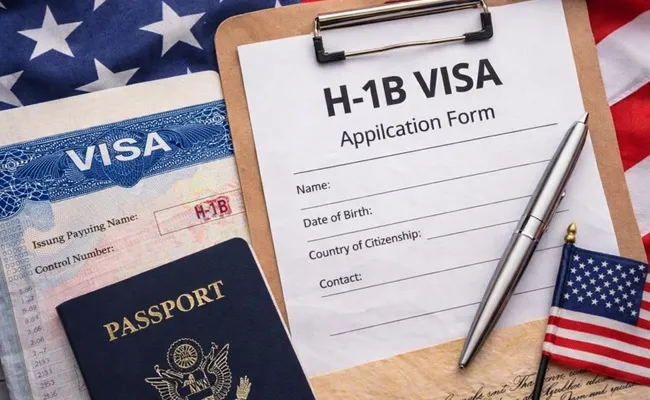
The latest H-1B visa selection data for fiscal year 2027 shows a significant shift toward higher-skilled and better-paid applicants, reflecting major changes in the US immigration selection process.
According to the U.S. Citizenship and Immigration Services (USCIS), this year’s H-1B selections saw a notable rise in the share of candidates holding advanced qualifications. Around 71.5% of selected applicants reportedly had a US master’s degree or higher, compared to 57% in the previous year.
Officials say this marks a clear change in the H-1B selection pattern, following the introduction of a wage-weighted system for FY2027. Under the new process, applicants with higher salary offers are given greater priority, replacing the earlier lottery-based approach.
USCIS data also shows that only 17.7% of selected registrations came from the lowest wage category, indicating a sharp decline in low-wage selections. The agency noted that this shift is aimed at reducing misuse of the system through bulk and low-value filings.
Another major change is the significant drop in total registrations. Properly submitted H-1B applications fell by 38.5%, dropping from 343,981 for FY2026 to 211,600 for FY2027. Authorities have attributed this decline to stricter rules designed to curb duplicate and non-serious applications.
USCIS stated that the new system is intended to ensure fairness and prevent “abuse of the program through mass low-wage registrations.”
The agency had already completed the FY2027 cap selection process, allowing only selected employers to file full H-1B petitions starting April 1, 2026.
The H-1B programme remains one of the most important work visa pathways for Indian professionals, who continue to form the largest beneficiary group. For Indian students in the US, especially those pursuing STEM master’s degrees, the new data suggests improved chances under the revised system.
However, the shift toward wage-based selection also raises concerns for entry-level workers and lower-salaried applicants, who may now find it harder to qualify.
The registration fee has also increased significantly, with USCIS raising the electronic filing fee from $10 to $215 per beneficiary, further discouraging bulk registrations.
Additionally, the beneficiary-centric system ensures each candidate is entered only once, even if multiple employers submit applications, preventing duplication and system misuse.
Overall, the FY2027 H-1B data highlights a clear transition toward a more selective immigration model focused on higher education, higher wages, and specialised skills—reshaping opportunities for global talent, especially Indian professionals.
Recent Random Post: