






Politics is often described with the famous saying, “There are no permanent friends or enemies in politics,” and the current situation in Tamil Nadu appears to perfectly reflect this idea.
According to recent reports from national media, the NDA alliance at the Centre is reportedly exploring the possibility of gaining support from the DMK in Parliament. This development has sparked wide discussion in political circles, given the shifting equations in Tamil Nadu politics.
Traditionally, the DMK has maintained a long-standing association with the Congress party and has played a key role in opposition alliances in the southern political landscape. However, recent electoral developments have led to a breakdown in their relationship, with Congress reportedly aligning with TVK in the latest political scenario.
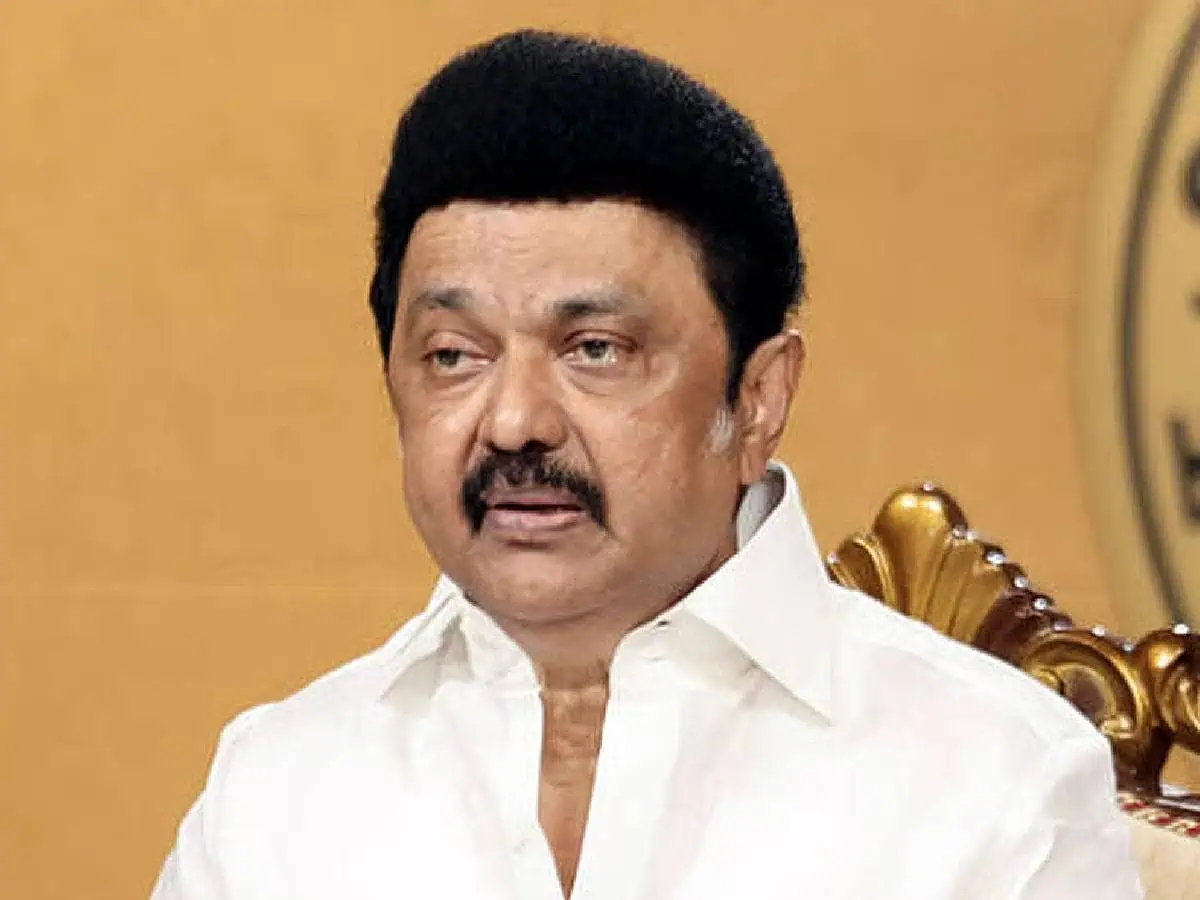
Sources suggest that DMK leadership, particularly Chief Minister M.K. Stalin, is reportedly displeased with Congress and may be reassessing future political strategies. This perceived distance has opened up space for new political calculations at the national level.
The NDA, on its part, is said to be keen on engaging with the DMK, especially considering its strong parliamentary presence, including 22 Lok Sabha MPs and 8 Rajya Sabha members. From a strategic standpoint, this makes DMK an influential player in national politics despite its recent setbacks in state-level equations.
However, despite these discussions, it remains uncertain how far such an understanding could go. Chief Minister Stalin has been openly critical of the BJP-led NDA in the past, and any form of cooperation—even issue-based support in Parliament—would require significant political negotiation.
For now, these developments remain speculative, but they clearly indicate how rapidly political alliances can shift in response to changing circumstances.
Recent Random Post: